 Curator
3 August, 2026
Curator
3 August, 2026
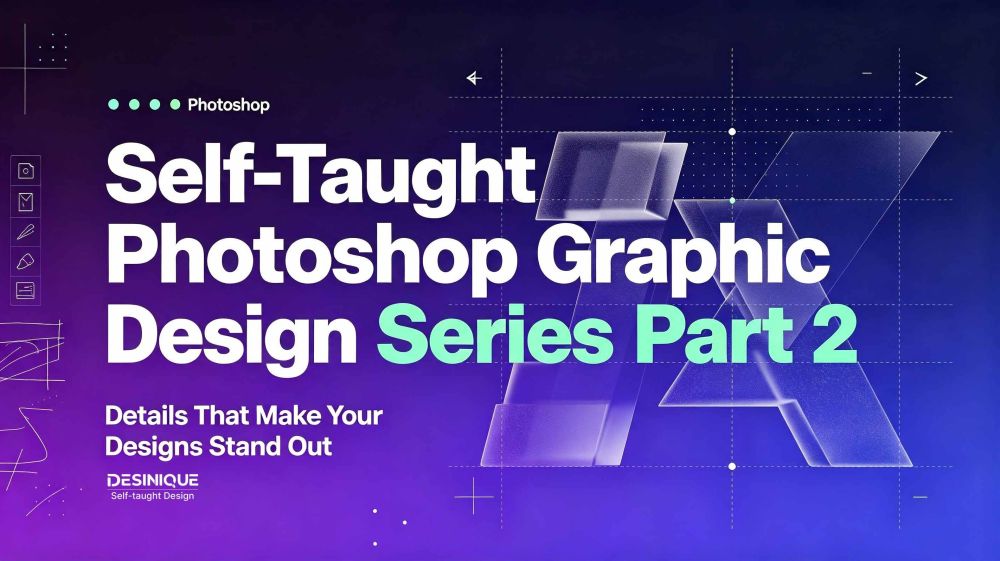
self-taught graphic designer roadmap Series Part 2: The Details
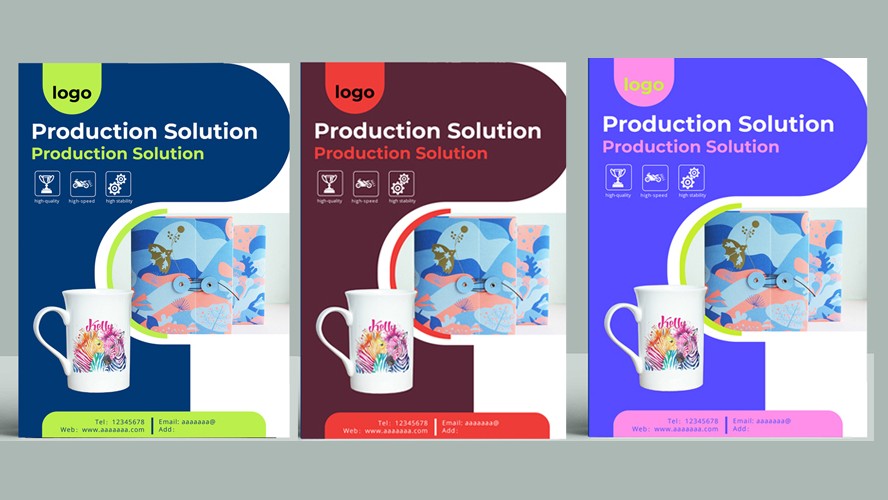
Details take your work to the next level. When thoughtful details appear throughout your design, you stand out from the crowd. Most designers can draw simple shapes like circles and arrows, but how do you integrate them more cohesively and creatively? This is essentially an exercise in arrangement and composition. When you arrange elements with subtle, refreshing creative twists, your design becomes compelling and effective. Detail work is what brings a layout to life as the finishing touch.
1. Geometric Accents Use points, lines, planes as foundational decorative elements. Example: Place small dots, triangles or short strokes beside text to create visual anchors and guide reading flow.
2. Representational Graphic Accents Incorporate icons, symbols and mini illustrations that echo your core content. Example: Water droplets and bubbles on a beverage poster; light effects and grid backgrounds for tech themes. Icons do more than decorate; they help categorize information and improve scanability.
3. Text-Based Accents Modify one letter in a headline through color, scale or form (e.g. replacing the “e” in “design” with a graphic). Offset script lettering or pair text with decorative rules to boost visual tension and artistic character.
4. Alignment and White Space Keep all elements aligned consistently: left-aligned, centered, or grid-aligned to avoid visual clutter. Intentional white space emphasizes focal points and creates breathing room for a more sophisticated look.
5. Visual Contrast Establish clear hierarchy through contrast in size, weight, color and typeface. Example: Bold, enlarged primary headings paired with lighter, smaller gray subheadings to set a natural reading path.
6. Overlap and Interleaving Interleave text and imagery, or layer elements with controlled offset to break rigid layouts and add contemporary energy. Example: Text partially overlapping photographs, or interlocking color blocks and images to create visual movement.
7. Textures and Surface Qualities Enrich layouts with 3D illustrations, double exposure, layer masks and related techniques. Example: Embed a portrait photograph inside letterforms for a fused image-and-type creative effect.
Guiding Principles for Detail Work Moderation: Do not overdecorate; avoid letting accents overpower your core message. Consistent Styling: Every decorative element must match the overall design language (e.g. avoid ornate flourishes in minimal layouts). Function First: Decorative elements should ideally guide the eye, separate content or emphasize key information—not merely add ornamentation.
Popular